01 How the venture creates value
The operating reality.
A business model connects the customer promise with the revenue, cost, channel and operating choices required to keep that promise profitably.
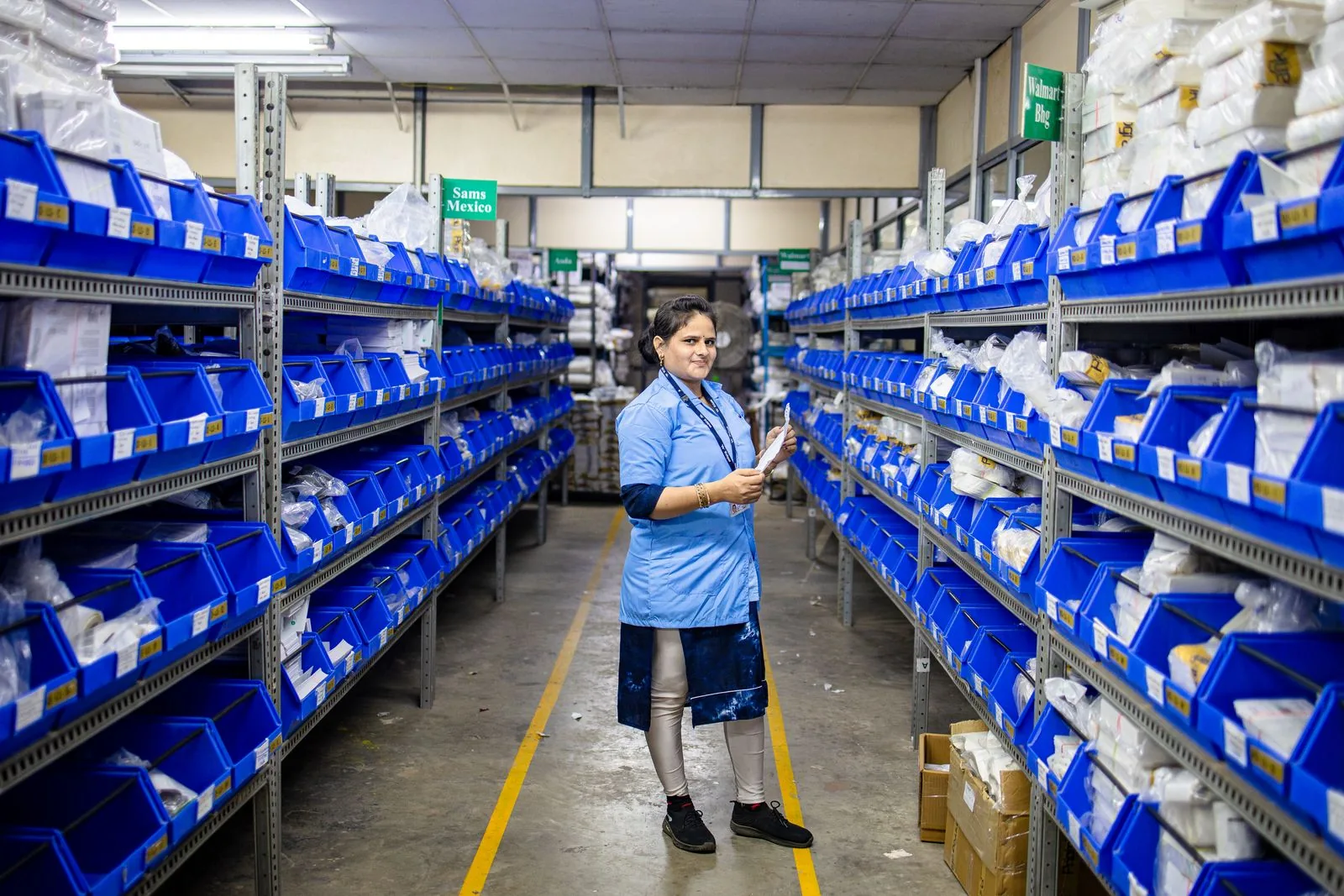
Founders often treat the business model as a pricing exercise. It is broader: who the customer is, who pays, what is delivered, how often value is created, which capabilities must be owned, where partners fit, and how cash moves through the system. A change in one element changes the others.
We develop a small set of coherent models rather than decorating one preferred answer. Direct and channel sales, project and recurring revenue, asset-light coordination and vertically integrated delivery are compared against margin, control, speed, capital need and the founder's own capacity.
02 Foundry value
What changes when the work is connected.
The value is not a longer list of services. It is the quality and timing of the decisions between them.
The selected model is then tested against the foundry. Sourcing challenges cost assumptions, software tests what automation can remove, marketing estimates channel implications and funding guidance examines how much capital the model consumes before it produces cash.
Working outcomes
- A clear customer, payer and value-exchange model
- Revenue streams, cost structure and contribution logic
- Channel and partnership choices with trade-offs
- A twelve-month model test plan linked to operating milestones

03 How the engagement runs
Evidence before the next commitment.
A staged sequence keeps learning, cost and accountability visible.
Map the current value exchange
The foundry establishes the evidence, ownership and boundary for this stage before activity begins.
Develop credible model alternatives
The appropriate operating companies contribute without separating their work from the whole venture.
Stress-test economics and capacity
A bounded release or test creates usable evidence while the cost of changing direction is still controlled.
Select the model and define proof points
Results are reviewed against the commercial decision, and the next commitment is made explicitly.
04 Connected capabilities
The specialists most often in the room.
The exact scope follows the venture and its current constraint.
Strategy
Business Consulting
Address critical business issues, clarify the opportunity, and connect strategy with the realities of execution.
Explore the capabilityDemand
Marketing
Integrated, data-driven demand generation that aligns the message with the commercial reality underneath it.
Explore the capabilityCapital
Funding Guidance
Evaluate every financing route available to the venture, then make the introductions that matter.
Explore the capability05 Continue exploring
More from Venture guides.
Related perspectives for the decisions around this one.
From offer to first repeatable demand
Go-to-Market Strategy
Go-to-market strategy aligns segment, positioning, channel, sales motion, delivery capacity and measurement before campaign activity begins.
Continue readingNothing important left implicit
Launch Readiness
Launch readiness connects product, supply, systems, support, marketing and decision ownership before the public deadline arrives.
Continue readingTurn attention into momentum
Founder Operating System
A founder operating system creates a practical rhythm for priorities, decisions, information and delegation as the venture becomes more complex.
Continue readingThe next conversation
What does the venture
need next?
Bring us the ambition, the constraint, and the stage you are navigating. If the foundry is the right shape for it, we'll say so — and if it isn't, we'll tell you that too.