01 · Venture guides
Test the idea before the idea tests your budget.
A disciplined validation sprint turns enthusiasm into evidence: a specific customer, a painful problem, a credible solution and a reason to act now.
01 Evidence before investment
The operating reality.
A disciplined validation sprint turns enthusiasm into evidence: a specific customer, a painful problem, a credible solution and a reason to act now.
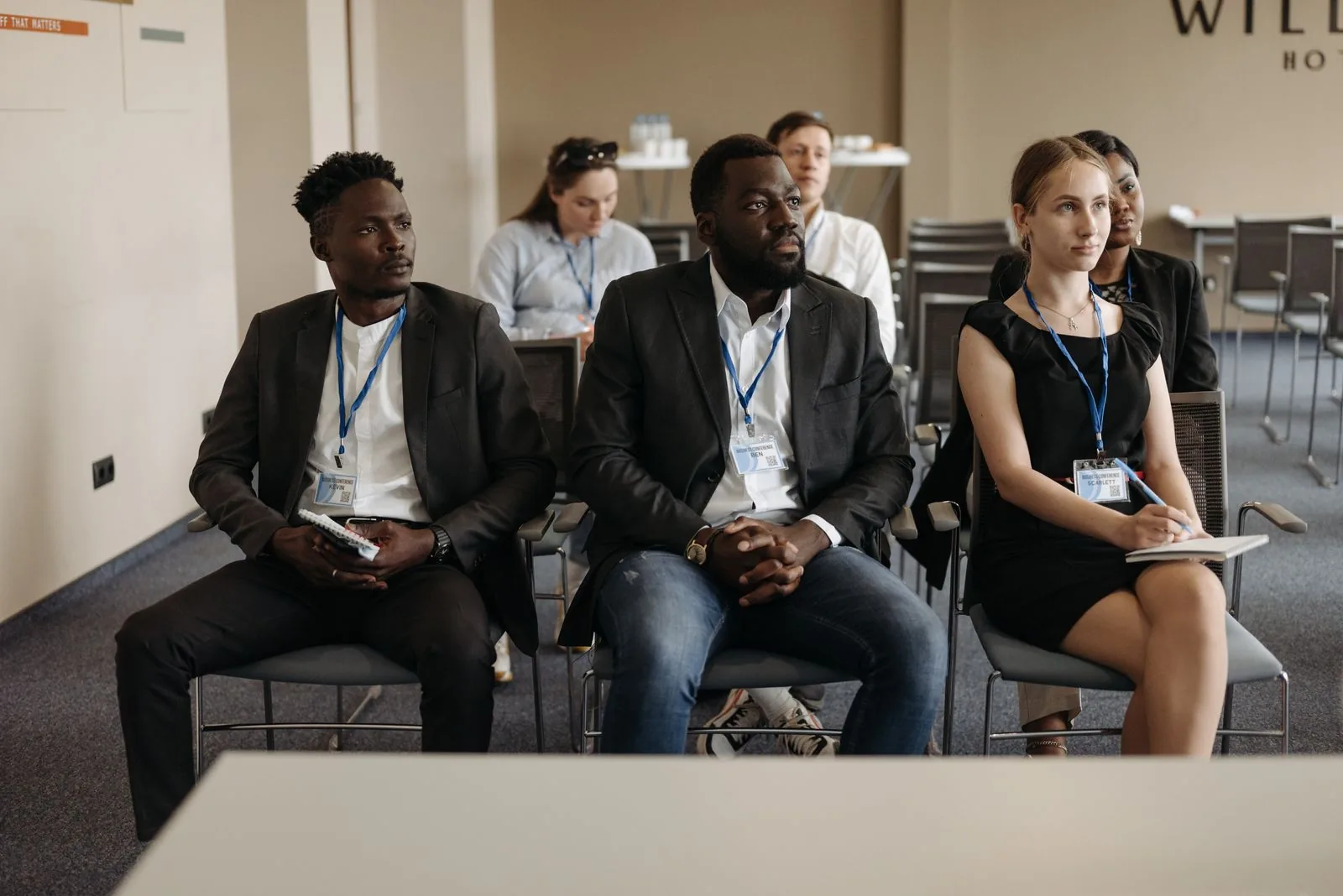
Ideas feel complete in the founder's head long before they are complete in the market. The first job is to separate the insight from the assumptions wrapped around it. We identify who experiences the problem, how they solve it today, what that workaround costs, and what would have to change for a new offer to earn a place in the workflow.
Validation is not a survey asking whether somebody likes a concept. It is a sequence of increasingly expensive tests: problem interviews, a clear value proposition, a lightweight prototype, a buying conversation and a small commitment. Each test is designed to retire one material risk before more money moves.
02 Foundry value
What changes when the work is connected.
The value is not a longer list of services. It is the quality and timing of the decisions between them.
Because Wealth Synergy can bring strategy, engineering, software, sourcing and marketing into the same review, the test does not stop at desirability. We also ask whether the offer can be built, delivered and acquired at economics that support a real enterprise.
Working outcomes
- A written problem statement tied to a defined customer segment
- A ranked assumption map showing what could invalidate the venture
- A test plan with evidence thresholds and stop, revise or proceed decisions
- A recommendation for the smallest credible next investment

03 How the engagement runs
Evidence before the next commitment.
A staged sequence keeps learning, cost and accountability visible.
Frame the riskiest assumptions
The foundry establishes the evidence, ownership and boundary for this stage before activity begins.
Interview the market without selling the answer
The appropriate operating companies contribute without separating their work from the whole venture.
Prototype only what the test requires
A bounded release or test creates usable evidence while the cost of changing direction is still controlled.
Review evidence and choose the next commitment
Results are reviewed against the commercial decision, and the next commitment is made explicitly.
04 Connected capabilities
The specialists most often in the room.
The exact scope follows the venture and its current constraint.
Strategy
Business Consulting
Address critical business issues, clarify the opportunity, and connect strategy with the realities of execution.
Explore the capabilityProduct
Engineering Design
Product-development engineering that advances a concept to something a factory can actually make.
Explore the capabilityDemand
Marketing
Integrated, data-driven demand generation that aligns the message with the commercial reality underneath it.
Explore the capability05 Continue exploring
More from Venture guides.
Related perspectives for the decisions around this one.
Can it work commercially?
Feasibility Study
A feasibility study joins technical reality, supplier economics, operating capacity and market demand in one decision document.
Continue readingHow the venture creates value
Business Model Design
A business model connects the customer promise with the revenue, cost, channel and operating choices required to keep that promise profitably.
Continue readingFrom offer to first repeatable demand
Go-to-Market Strategy
Go-to-market strategy aligns segment, positioning, channel, sales motion, delivery capacity and measurement before campaign activity begins.
Continue readingThe next conversation
What does the venture
need next?
Bring us the ambition, the constraint, and the stage you are navigating. If the foundry is the right shape for it, we'll say so — and if it isn't, we'll tell you that too.