01 Connect design to commercialization
Begin with the decision.
Wealth Synergy coordinates product development services in Utah across feasibility, engineering, sourcing, software, launch and business strategy for ventures that need one commercialization plan.
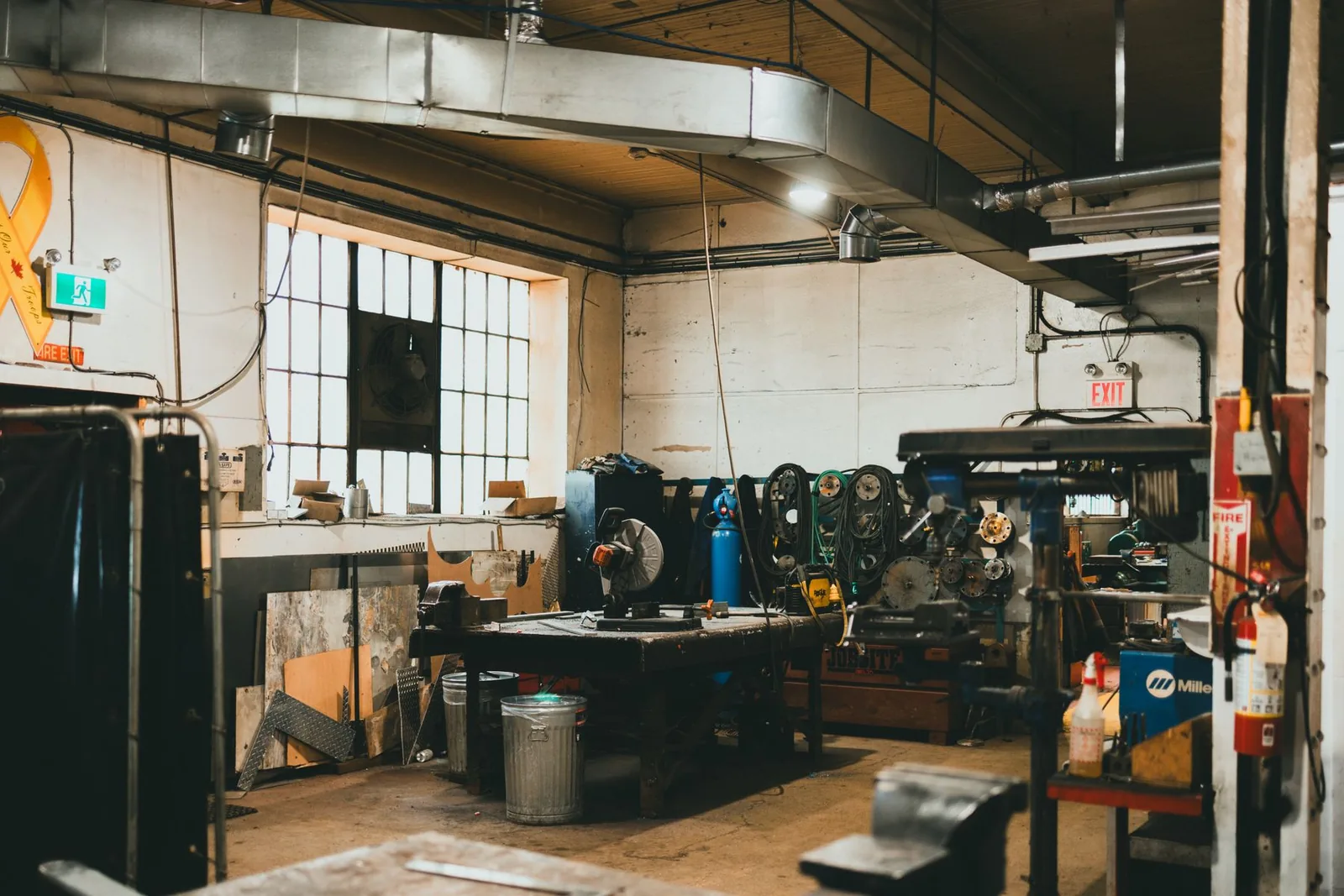
Product teams create avoidable cost when customer requirements, engineering choices, supplier processes and commercial economics evolve in separate conversations. For Utah companies developing physical products, connected devices or operational technology, the issue is rarely a lack of effort. It is that activity begins before the team has agreed what must change, what evidence would count and which commitment can still be reversed. For readers evaluating product development services in Utah, the priority is to turn the search question into a testable operating choice.
This guide is organized around one practical decision: which product-development sequence can prove usability, manufacturability and business viability before expensive commitments. That frame places the commercial or operating choice ahead of the preferred answer. The first diagnostic is user requirement — behavior and environment the product must serve; the first controlled move is to translate customer evidence into controlled requirements. Together they keep connect design to commercialization connected to evidence that a customer, operator or capital provider can verify.
The evidence standard should match the next commitment. Use critical requirements verified as an early signal, but keep direct observations and exceptions beside the number. If the evidence contradicts product teams create avoidable cost when customer requirements, engineering choices, supplier processes and commercial economics evolve in separate conversations., revise the route while change is still affordable instead of redefining success around sunk effort.
02A Search-led brief
What product development services in Utah should help a leader decide.
The phrase matters only when the page resolves the operating question behind it.
People searching for product development services in Utah are usually trying to reduce a consequential uncertainty, not collect a generic definition. For Utah companies developing physical products, connected devices or operational technology, the useful result is a decision they can defend: which product-development sequence can prove usability, manufacturability and business viability before expensive commitments. That requires a view of the current operating evidence, the remaining unknowns and the next commitment that can still be changed without avoidable loss.
The starting point is technical risk — functions and interfaces needing proof. Read it beside software connection — data and workflow around the physical product, because a promising commercial answer can still fail when delivery, adoption, ownership or cash conditions are treated as somebody else's problem. The first working action is to prototype the highest technical and use risks; the evidence review should then include prototype learning cycles completed and the exceptions that the average conceals.
This is also why product development services in Utah should not be reduced to a vendor list or a fixed template. A sound route makes the trade-off explicit, assigns one decision owner and states what would cause the organization to continue, narrow, redesign or stop. That discipline turns search intent into operating value and leaves the venture with a stronger decision system after the immediate project ends.
02 Diagnostic framework
Six lenses for the operating truth.
Read the system from the customer's consequence back through the work, economics and dependencies that create it.
Lens 01
User requirement
Behavior and environment the product must serve is the practical question behind user requirement. To examine it, reconstruct a recent event and collect timestamped records at the point where the consequence appears. Use that evidence to challenge the explanation for the connect design to commercialization decision. Record the observed range, the role able to change it and the condition that would alter the decision: which product-development sequence can prove usability, manufacturability and business viability before expensive commitments.
Lens 02
Technical risk
Functions and interfaces needing proof is the practical question behind technical risk. To examine it, observe the hand-off directly and collect cohort data at the point where the consequence appears. Use that evidence to expose the ownership gap for the connect design to commercialization decision. Record the observed range, the role able to change it and the condition that would alter the decision: which product-development sequence can prove usability, manufacturability and business viability before expensive commitments.
Lens 03
Industrialization
Materials, tolerances and production process is the practical question behind industrialization. To examine it, interview the decision owner and collect commercial commitments at the point where the consequence appears. Use that evidence to quantify the consequence for the connect design to commercialization decision. Record the observed range, the role able to change it and the condition that would alter the decision: which product-development sequence can prove usability, manufacturability and business viability before expensive commitments.
Lens 04
Supplier readiness
Capability, lead time and quality control is the practical question behind supplier readiness. To examine it, test a representative sample and collect cash movements at the point where the consequence appears. Use that evidence to identify the reversible choice for the connect design to commercialization decision. Record the observed range, the role able to change it and the condition that would alter the decision: which product-development sequence can prove usability, manufacturability and business viability before expensive commitments.
Lens 05
Software connection
Data and workflow around the physical product is the practical question behind software connection. To examine it, follow one unit of work and collect customer behavior at the point where the consequence appears. Use that evidence to locate the hidden dependency for the connect design to commercialization decision. Record the observed range, the role able to change it and the condition that would alter the decision: which product-development sequence can prove usability, manufacturability and business viability before expensive commitments.
Lens 06
Commercial case
Price, margin, channel and launch evidence is the practical question behind commercial case. To examine it, audit a failed case and collect supplier evidence at the point where the consequence appears. Use that evidence to separate signal from noise for the connect design to commercialization decision. Record the observed range, the role able to change it and the condition that would alter the decision: which product-development sequence can prove usability, manufacturability and business viability before expensive commitments.
03 The working sequence
Move from question to controlled action.
Each move produces an artifact or observation that earns the next commitment.
Translate customer evidence into controlled requirements
Translate customer evidence into controlled requirements converts the user requirement question into controlled work. Begin by making behavior and environment the product must serve observable through commercial commitments; then assign a person who can change the relevant rule, resource or relationship. The output should include a baseline, a bounded test or operating change, and a review of critical requirements verified. Close the move by recording what Utah companies developing physical products, connected devices or operational technology will continue, revise or stop.
Prototype the highest technical and use risks
Prototype the highest technical and use risks converts the technical risk question into controlled work. Begin by making functions and interfaces needing proof observable through cash movements; then assign a person who can change the relevant rule, resource or relationship. The output should include a baseline, a bounded test or operating change, and a review of prototype learning cycles completed. Close the move by recording what Utah companies developing physical products, connected devices or operational technology will continue, revise or stop.
Review design for manufacturing and service
Review design for manufacturing and service converts the industrialization question into controlled work. Begin by making materials, tolerances and production process observable through customer behavior; then assign a person who can change the relevant rule, resource or relationship. The output should include a baseline, a bounded test or operating change, and a review of first-article approval rate. Close the move by recording what Utah companies developing physical products, connected devices or operational technology will continue, revise or stop.
Source suppliers against frozen critical requirements
Source suppliers against frozen critical requirements converts the supplier readiness question into controlled work. Begin by making capability, lead time and quality control observable through supplier evidence; then assign a person who can change the relevant rule, resource or relationship. The output should include a baseline, a bounded test or operating change, and a review of estimated versus realized product cost. Close the move by recording what Utah companies developing physical products, connected devices or operational technology will continue, revise or stop.
Validate hardware, software and process together
Validate hardware, software and process together converts the software connection question into controlled work. Begin by making data and workflow around the physical product observable through quality records; then assign a person who can change the relevant rule, resource or relationship. The output should include a baseline, a bounded test or operating change, and a review of pilot performance under representative use. Close the move by recording what Utah companies developing physical products, connected devices or operational technology will continue, revise or stop.
Release through a controlled pilot and readiness gate
Release through a controlled pilot and readiness gate converts the commercial case question into controlled work. Begin by making price, margin, channel and launch evidence observable through documented exceptions; then assign a person who can change the relevant rule, resource or relationship. The output should include a baseline, a bounded test or operating change, and a review of critical requirements verified. Close the move by recording what Utah companies developing physical products, connected devices or operational technology will continue, revise or stop.
04 Measures
Evidence the team can act on.
A small decision scorecard is more useful than a dashboard of activity nobody owns.
- Critical requirements verifiedUse this signal to locate the hidden dependency. Source it from quality records, show the baseline beside the current result and segment it where an average could hide variation. Before the first review, name the owner and the threshold that changes the connect design to commercialization plan.
- Prototype learning cycles completedUse this signal to separate signal from noise. Source it from documented exceptions, show the baseline beside the current result and segment it where an average could hide variation. Before the first review, name the owner and the threshold that changes the connect design to commercialization plan.
- First-article approval rateUse this signal to make the trade-off explicit. Source it from operator observation, show the baseline beside the current result and segment it where an average could hide variation. Before the first review, name the owner and the threshold that changes the connect design to commercialization plan.
- Estimated versus realized product costUse this signal to show where context disappears. Source it from workflow artifacts, show the baseline beside the current result and segment it where an average could hide variation. Before the first review, name the owner and the threshold that changes the connect design to commercialization plan.
- Pilot performance under representative useUse this signal to compare expectation with behavior. Source it from capacity data, show the baseline beside the current result and segment it where an average could hide variation. Before the first review, name the owner and the threshold that changes the connect design to commercialization plan.
05 Failure modes
Where good intentions lose value.
These patterns create the appearance of progress while leaving the core uncertainty untouched.
Failure mode 01
Designing to preference instead of observed requirements
This pattern weakens connect design to commercialization because it lets activity continue while the governing choice remains unresolved. Return to workflow artifacts, compare the result with critical requirements verified and make one role accountable for the correction. A practical recovery is to review design for manufacturing and service before expanding commitment.
Failure mode 02
Selecting suppliers after the design is effectively frozen
This pattern weakens connect design to commercialization because it lets activity continue while the governing choice remains unresolved. Return to capacity data, compare the result with prototype learning cycles completed and make one role accountable for the correction. A practical recovery is to source suppliers against frozen critical requirements before expanding commitment.
Failure mode 03
Treating a working prototype as production readiness
This pattern weakens connect design to commercialization because it lets activity continue while the governing choice remains unresolved. Return to timestamped records, compare the result with first-article approval rate and make one role accountable for the correction. A practical recovery is to validate hardware, software and process together before expanding commitment.
Failure mode 04
Leaving software and support until late
This pattern weakens connect design to commercialization because it lets activity continue while the governing choice remains unresolved. Return to cohort data, compare the result with estimated versus realized product cost and make one role accountable for the correction. A practical recovery is to release through a controlled pilot and readiness gate before expanding commitment.
Failure mode 05
Scaling tooling before unit economics are credible
This pattern weakens connect design to commercialization because it lets activity continue while the governing choice remains unresolved. Return to commercial commitments, compare the result with pilot performance under representative use and make one role accountable for the correction. A practical recovery is to translate customer evidence into controlled requirements before expanding commitment.
06 Applied example
A realistic change in direction.
The example is illustrative: its value lies in the decision pattern, not in pretending every venture has the same answer.
A Utah device company had a successful prototype but uncertain assembly cost. Integrating engineering and sourcing early changed two tolerances, reduced supplier risk and preserved the launch margin before tooling release.
The important move was to review design for manufacturing and service. The team used industrialization — materials, tolerances and production process to make the uncertain operating link visible and watched first-article approval rate before expanding commitment. That combination protected a route back when the preferred assumption failed and made the revised plan easier to explain to employees, partners and capital providers.
Apply the same discipline by locating the stakeholder who experiences user requirement — behavior and environment the product must serve, then observe the current workflow under representative conditions. The smallest useful test must retain the difficulty behind designing to preference instead of observed requirements; removing that condition may create confidence, but it will not create knowledge that travels into normal operations.
07 Ninety-day application
A staged plan for the next quarter.
The dates create cadence; evidence—not the calendar—determines whether commitment expands.
Phase 01
Days 1–15 · Establish the truth
For connect design to commercialization, begin with translate customer evidence into controlled requirements. Read user requirement — behavior and environment the product must serve through timestamped records and establish critical requirements verified as one decision signal. The phase closes when its owner can explain the observed result, the remaining uncertainty and the condition for the next commitment.
Phase 02
Days 16–30 · Frame the choice
For connect design to commercialization, begin with prototype the highest technical and use risks. Read technical risk — functions and interfaces needing proof through cohort data and establish prototype learning cycles completed as one decision signal. The phase closes when its owner can explain the observed result, the remaining uncertainty and the condition for the next commitment.
Phase 03
Days 31–60 · Run the bounded test
For connect design to commercialization, begin with review design for manufacturing and service. Read industrialization — materials, tolerances and production process through commercial commitments and establish first-article approval rate as one decision signal. The phase closes when its owner can explain the observed result, the remaining uncertainty and the condition for the next commitment.
Phase 04
Days 61–90 · Integrate and decide
For connect design to commercialization, begin with source suppliers against frozen critical requirements. Read supplier readiness — capability, lead time and quality control through cash movements and establish estimated versus realized product cost as one decision signal. The phase closes when its owner can explain the observed result, the remaining uncertainty and the condition for the next commitment.
08 Questions leaders ask
Keep the discussion tied to ownership.
Use these prompts to prevent the framework from becoming a one-time workshop.
What must be true before this work begins?
Begin with user requirement — behavior and environment the product must serve and a baseline the team can verify. The scope is ready when the decision, owner, affected customer or process and next commitment are explicit.
How much evidence is enough to move?
Evidence is sufficient when it distinguishes the available choices and meets a threshold written before the result arrived. Use critical requirements verified as one signal, but keep direct observations and operating exceptions visible.
Who should own the decision?
One role should be accountable for which product-development sequence can prove usability, manufacturability and business viability before expensive commitments. Specialists contribute required evidence, while the decision owner records the reasoning, assigns execution and sets the next review.
Should the team buy a tool or add capacity first?
Do not start with the purchase. First translate customer evidence into controlled requirements; then compare process, people, partner and technology routes against whole-life cost, adoption burden and recoverability.
The final question for connect design to commercialization is concrete: what will the organization commit because of what it now knows about software connection — data and workflow around the physical product? The answer may be a release, a narrower test, a changed operating rule, a new owner or a deliberate stop. Each is valid when it prevents the venture from spending beyond its evidence.
Wealth Synergy assembles Engineering Design, Sourcing & Manufacturing, Software Development around that decision rather than selling disconnected activity. The integration matters at the hand-offs: technical risk — functions and interfaces needing proof can change the work required for supplier readiness — capability, lead time and quality control, and each change can alter the capital, adoption or recovery plan.